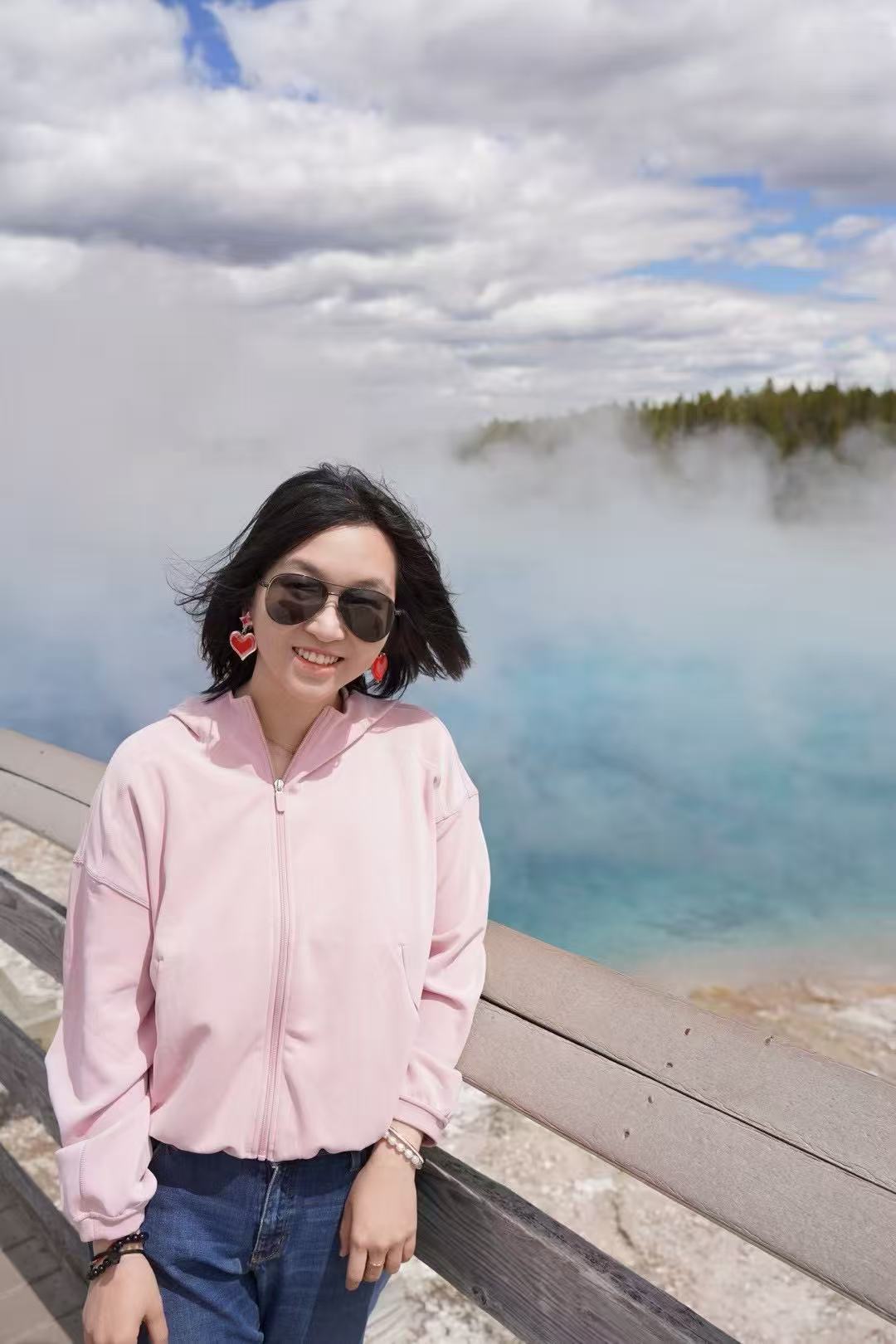
Howdy! I’m a final-year Statistics Ph.D. candidate at Boston University, advised by Debarghya Mukherjee and Luis Carvalho. Before BU, I studied statistics at Columbia (M.A.) and mathematics at Shandong University & Chinese Academy of Sciences (B.S.), and worked with Zhanxing Zhu and Yongshun Gong on spatio-temporal data. Currently, I work on transfer and representation learning for modern AI systems, from multimodal foundation models to LLM agents. The question I keep coming back to is how you reuse what a model already knows when the world won’t sit still:
- LLM agents. Post-training agents for changing environments: RL from sparse rewards, on-policy self-distillation, and spatio-temporal reasoning.
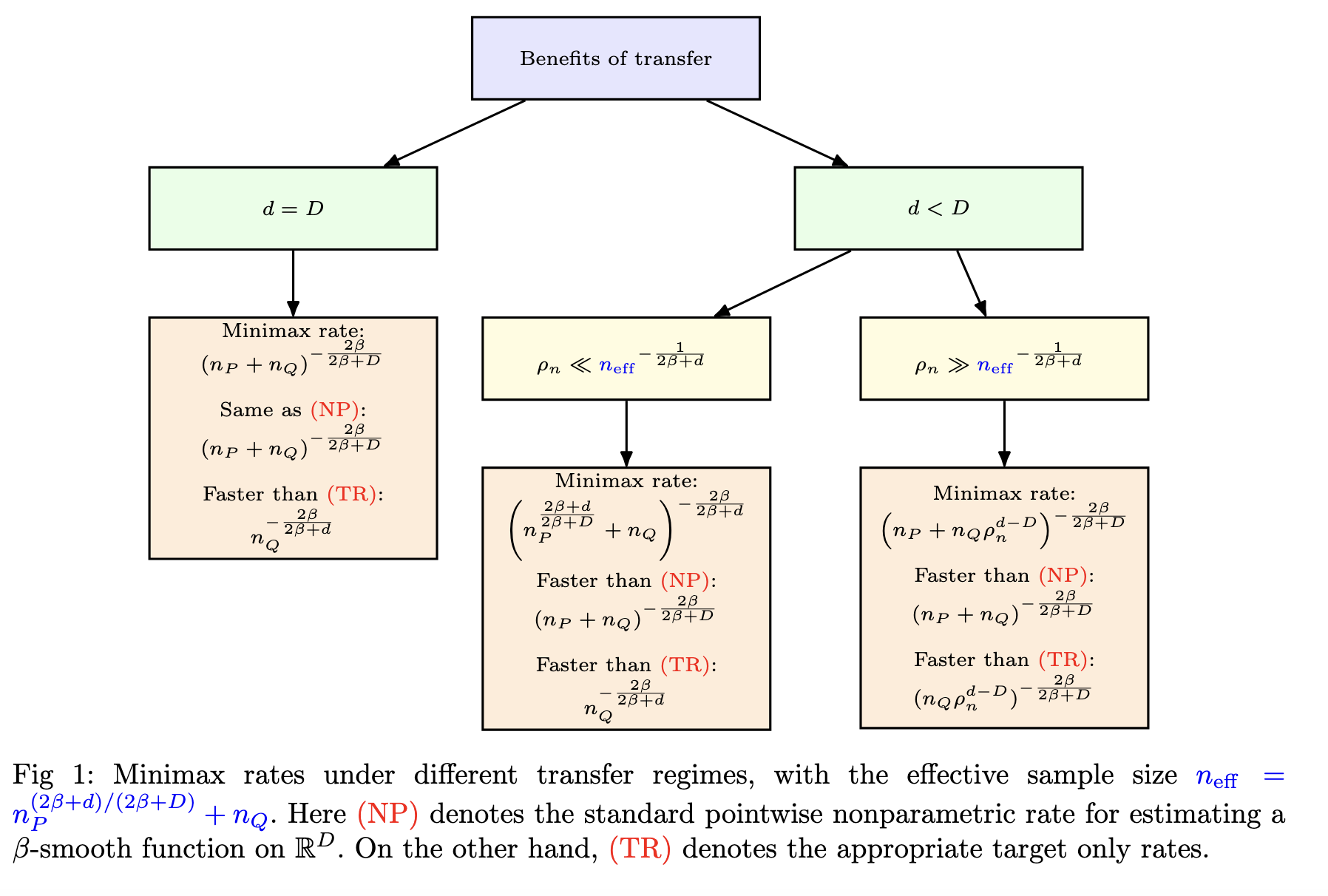
- When transfer provably works. Minimax rates, oracle inequalities, and safe-transfer criteria.
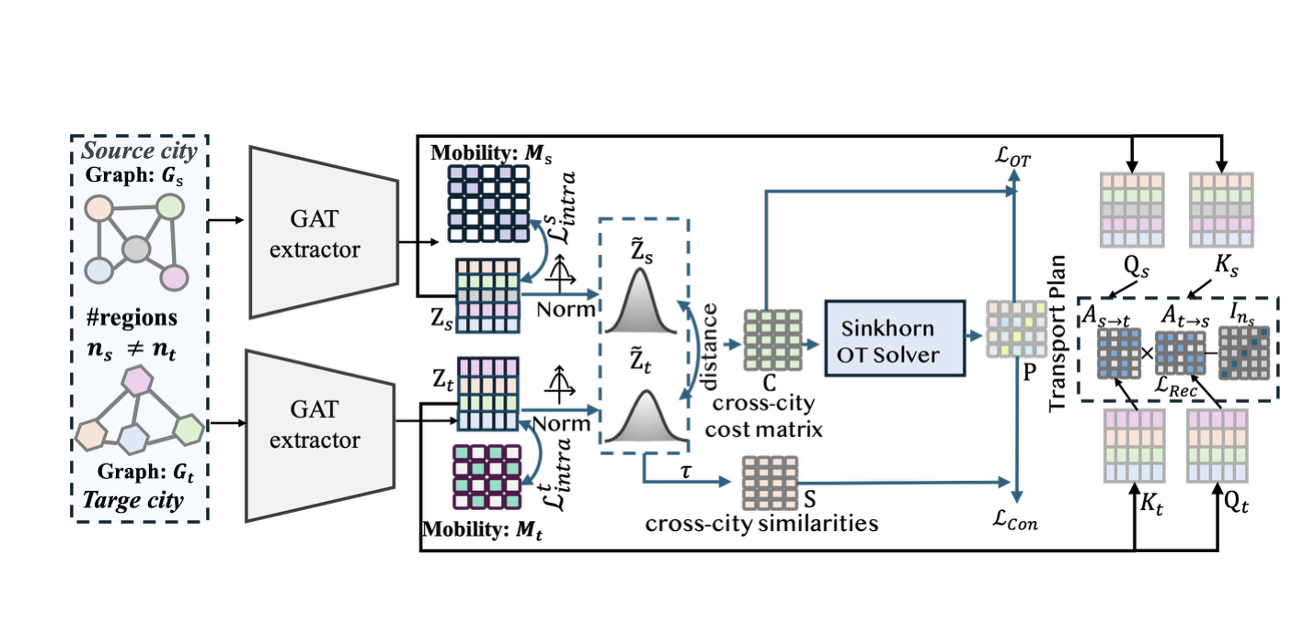
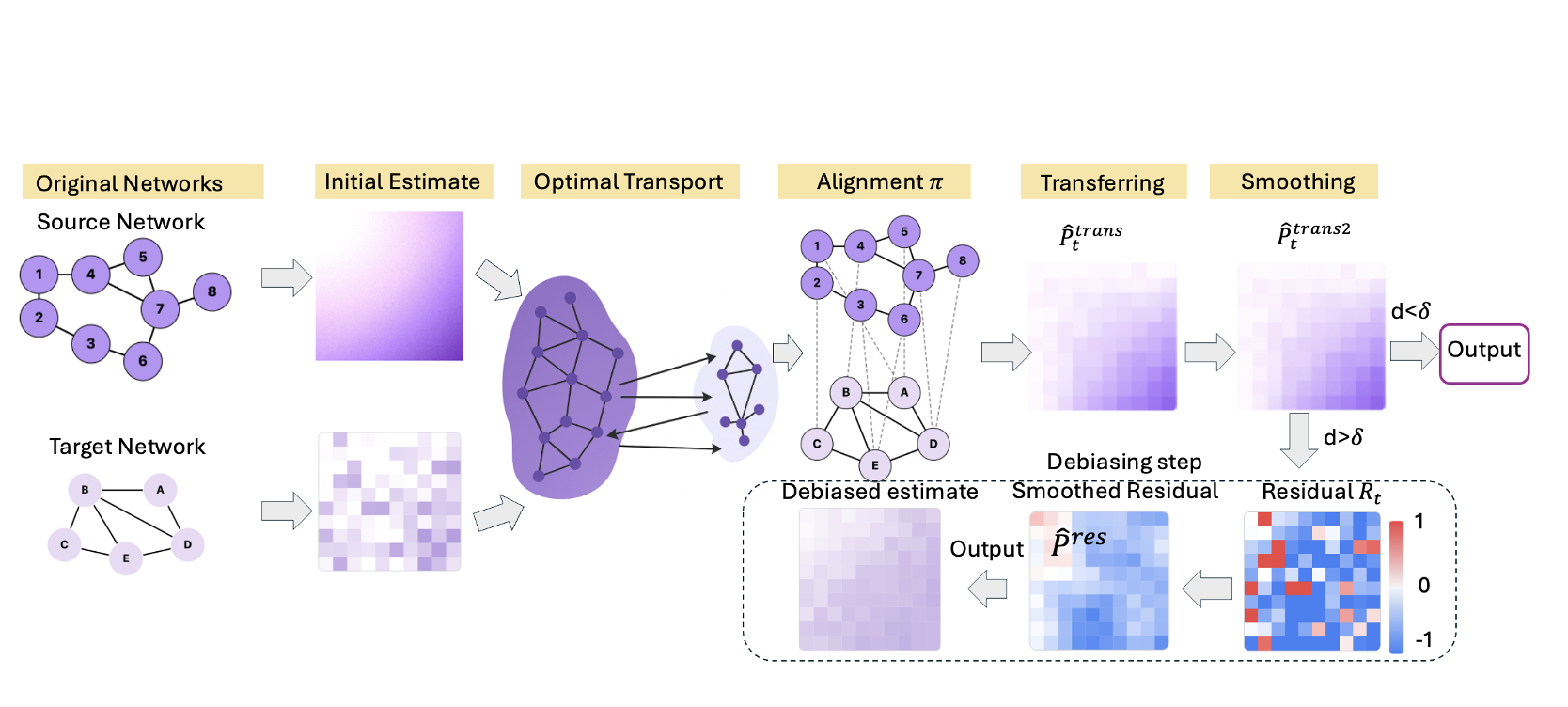
- When structure is the obstacle. Optimal transport, graph, and multimodal methods for aligning heterogeneous data.
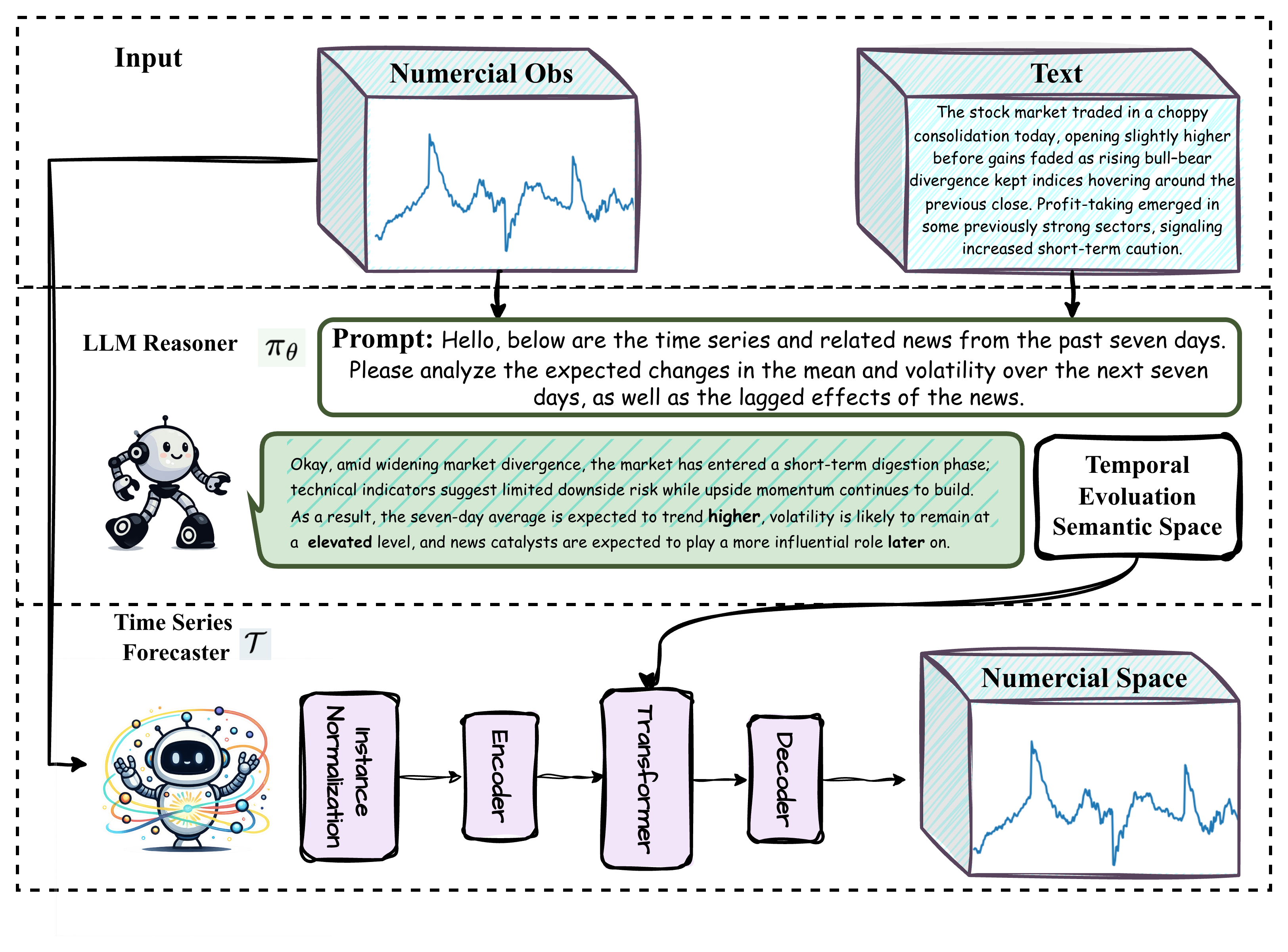
A gentler entry point, in slides: LLM agents · transfer learning · graph learning · optimal transport · LLMs for time series
🔥 News
- 2026.09 — SCOT (first author) accepted at NeurIPS 2026!
- 2026.05 — TESS (co-first) got an Oral at ICML 2026, top 0.5% of submissions!
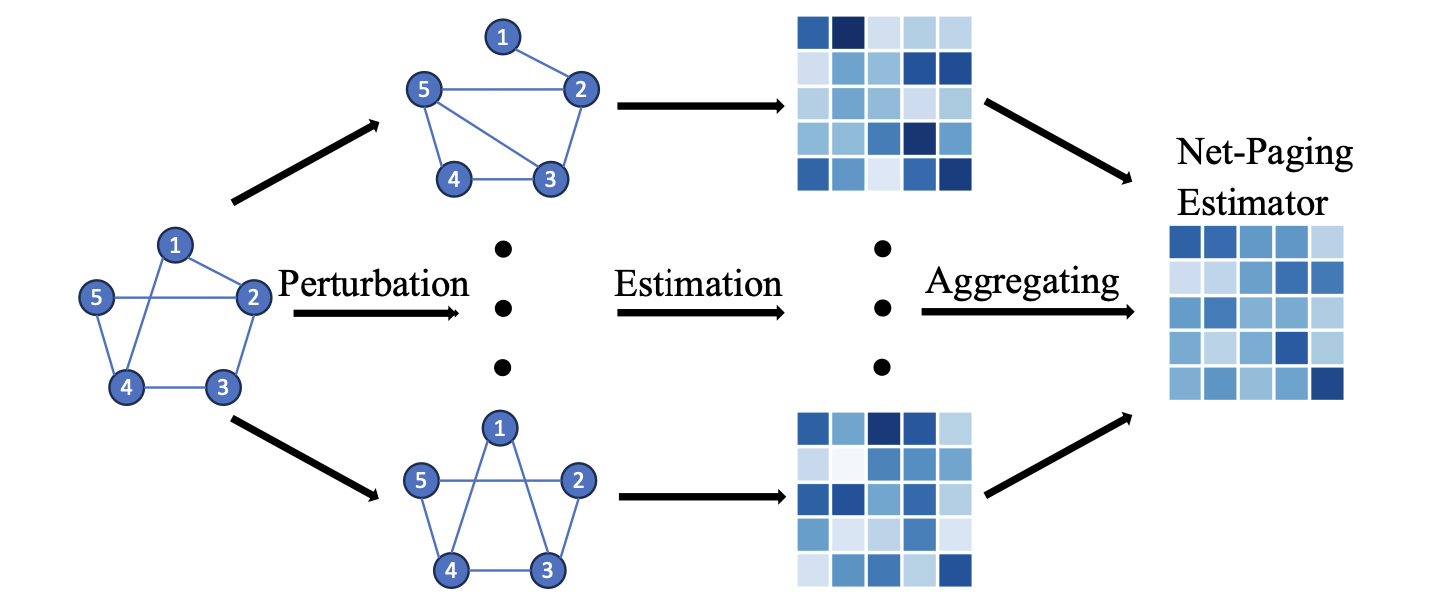
- 2026.05 — “Network Perturbation Aggregation for Graphon Estimation” (co-author) is in at SLADS.
- 2026.04 — Heading to Amazon as an Applied Scientist this summer, Bay Area bound.
- 2026.04 — Honored to receive the Dean’s Dissertation Fellowship from BU’s Graduate School of Arts and Sciences.
- 2025.09 — GTrans (first author) accepted at NeurIPS 2025.
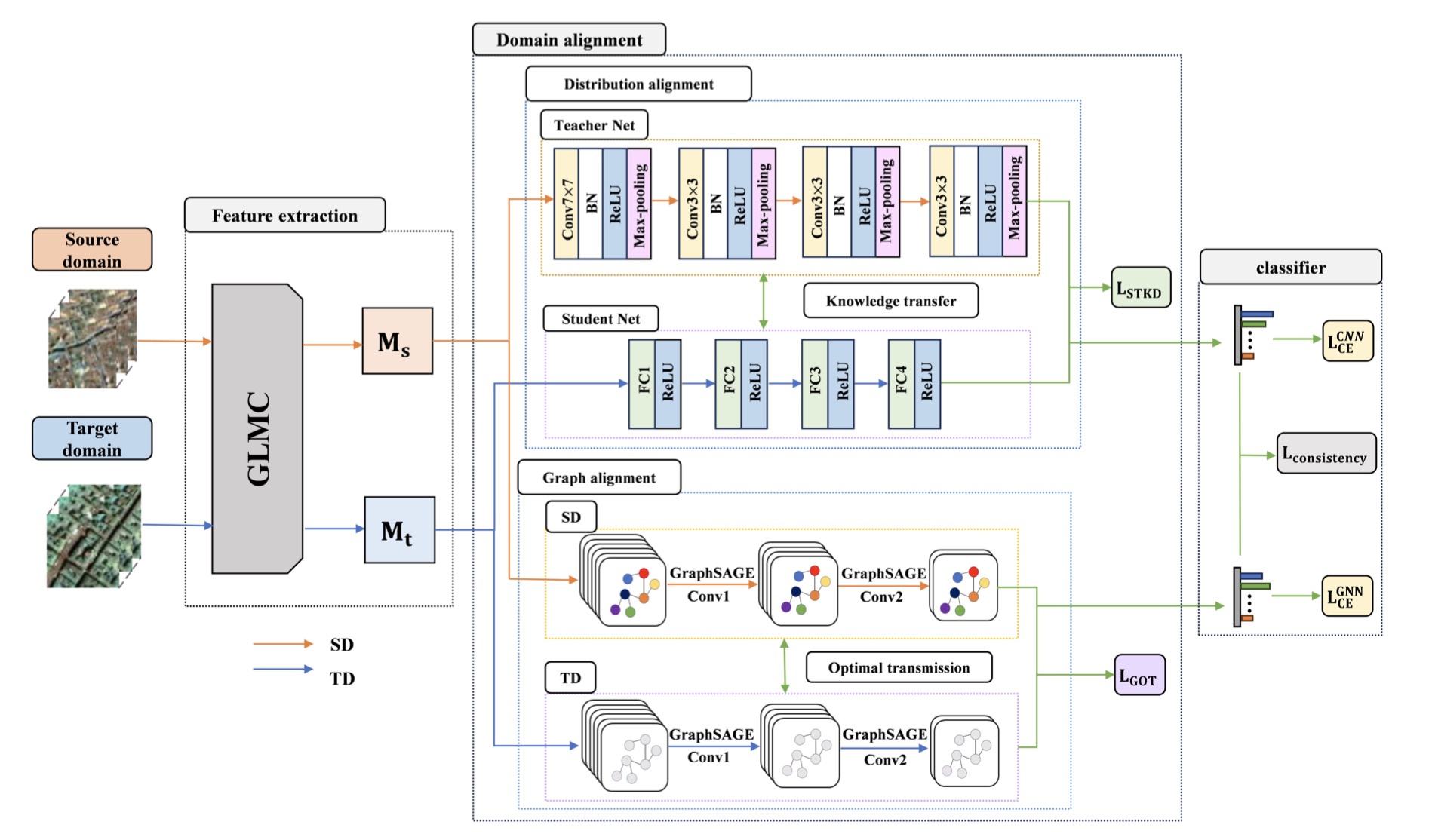
- 2025.08 — “Cross-Domain Hyperspectral Image Classification” (co-author) accepted at IEEE TGRS.
📝 Publications
First author
Co-author
🤖 LLM & DS Projects
📖 Educations
Boston University · Ph.D. in Statistics · 2021.09 – present
Columbia University · M.A. in Statistics, Data Science Track · 2019.09 – 2020.05
Shandong University · B.S. in Mathematics · 2015.09 – 2019.06
Chinese Academy of Sciences · Jointly Supervised Talent Program, AMSS · 2018.05 – 2019.06
💻 Internships
Applied Scientist Intern · Amazon · Summer 2026
LangChain agent with LLM-based heuristic learning that turns request-level attribution into ranked traffic-blocking policies; MIMO forecasting on large-scale HTTP logs, benchmarking tabular foundation models against Chronos-2.
Data Scientist Intern · Plymouth Rock Insurance · Summer 2025
Designed a multimodal LLM pipeline for homeowners risk assessment, leveraging GPT as a vision-language model to distill Google Street View imagery into structured property-level risk features. Integrated VLM-derived features into a pure-premium XGBoost model with a Tweedie objective.
🎖 Honors
Boston University · Dean’s Dissertation Fellowship (2026) · Ralph B. D’Agostino Fellowship (2025) · Outstanding Teaching Award (2025)
Shandong University · Outstanding Graduate (2019) · First-Class Scholarship (2018) · Outstanding Student Leader (2018)
National · Hua Loo-Keng Scholarship (2018) · National Gold Award, Internet+ Innovation and Entrepreneurship Competition (2018)
📝 Service & Teaching
Presentations · CIKM 2024, NeurIPS 2025, ICML 2026
Reviewer · CIKM 2025, ICME 2026, ICML 2026, KDD 2026, NeurIPS 2026, KDD 2027
Instructor, Boston University · Mathematical Statistics (MA 582), Elementary Statistics (MA 113)
Teaching Fellow · Generalized Linear Models (MA 575), Data Science in R (MA 415), Applied Statistics (MA 214)
✨ My Apps
A quiet collection of cinematic, atmospheric, and emotionally resonant side projects — part digital keepsakes, part memory-keepers. See all →
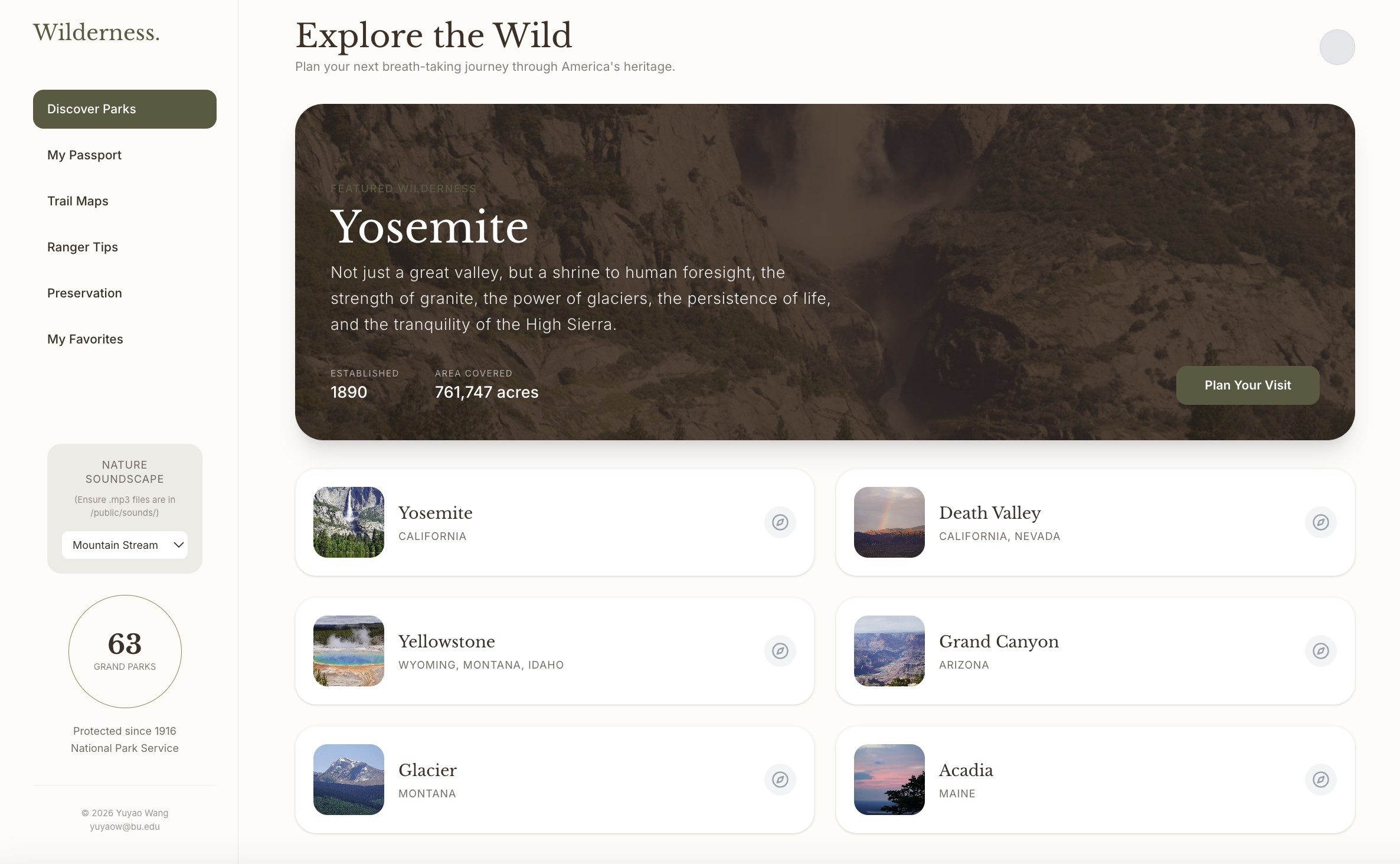 🌲 Wilderness |
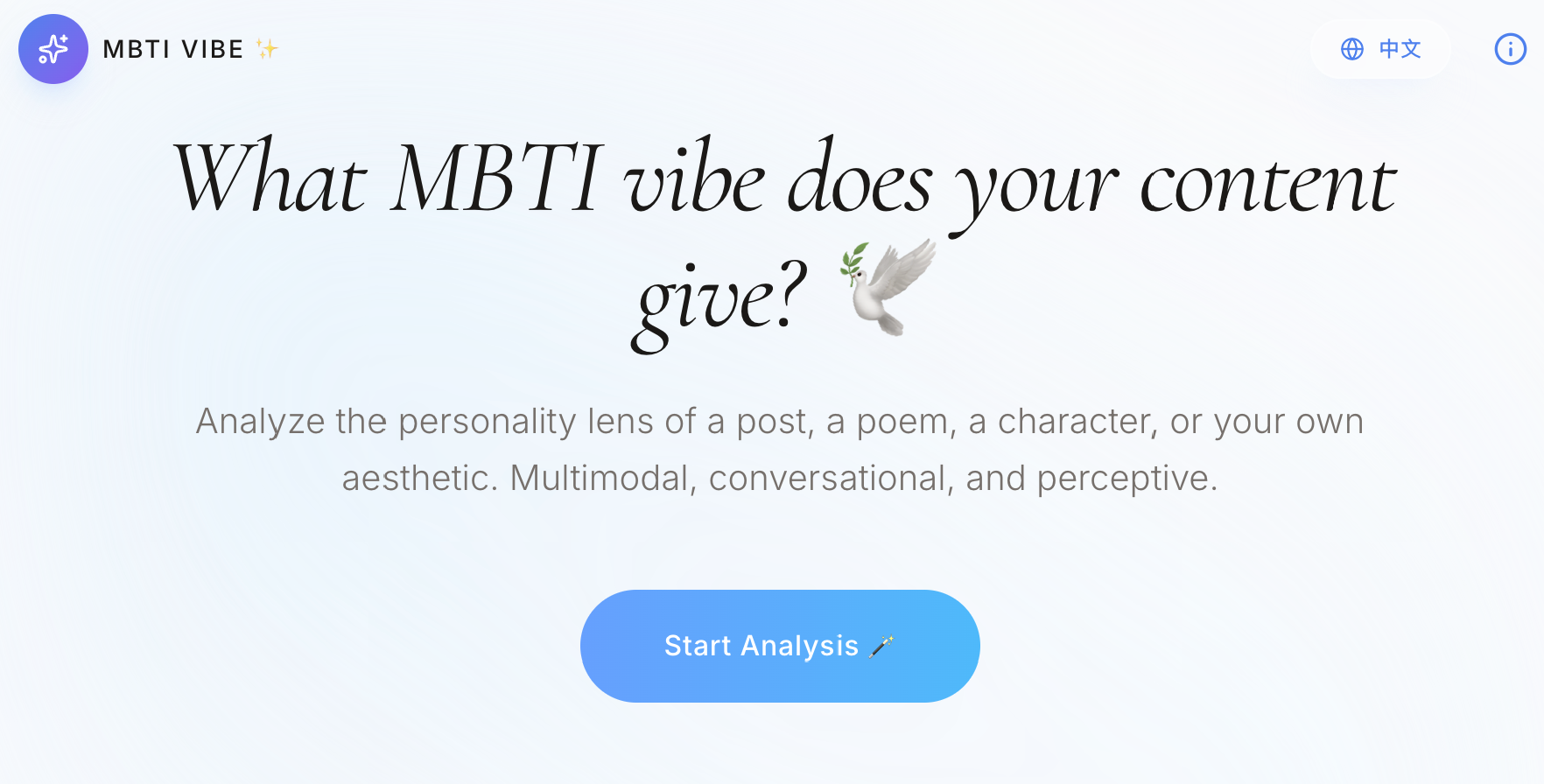 ✨ MBTI Vibe |
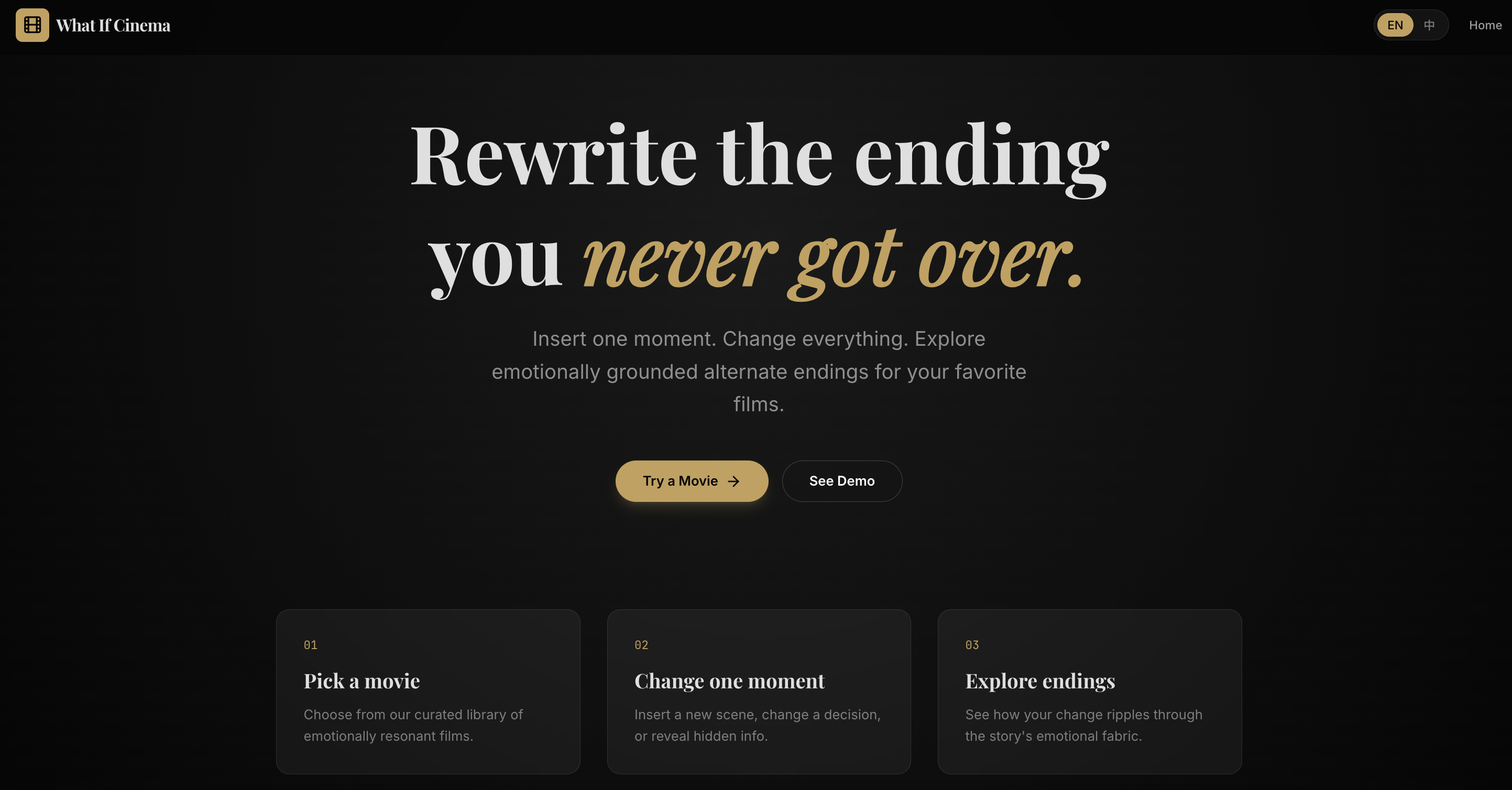 🎬 What If Cinema |
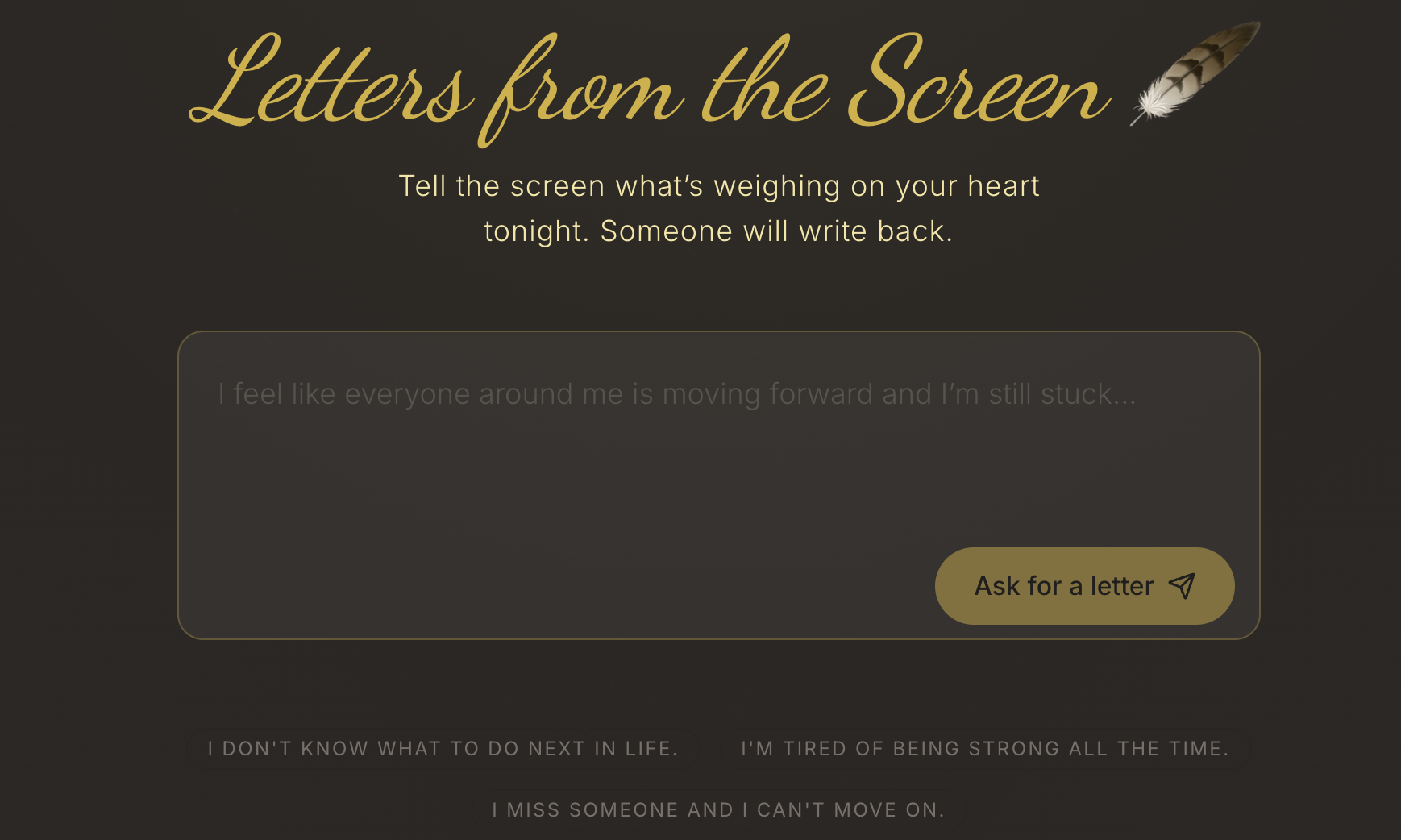 ✉️ Letters from Screen |
 ✈️ If You Disappeared |
 🎟️ Souvenirs |
 🗺️ Map of Me |
 🦋 A Room in Macondo |
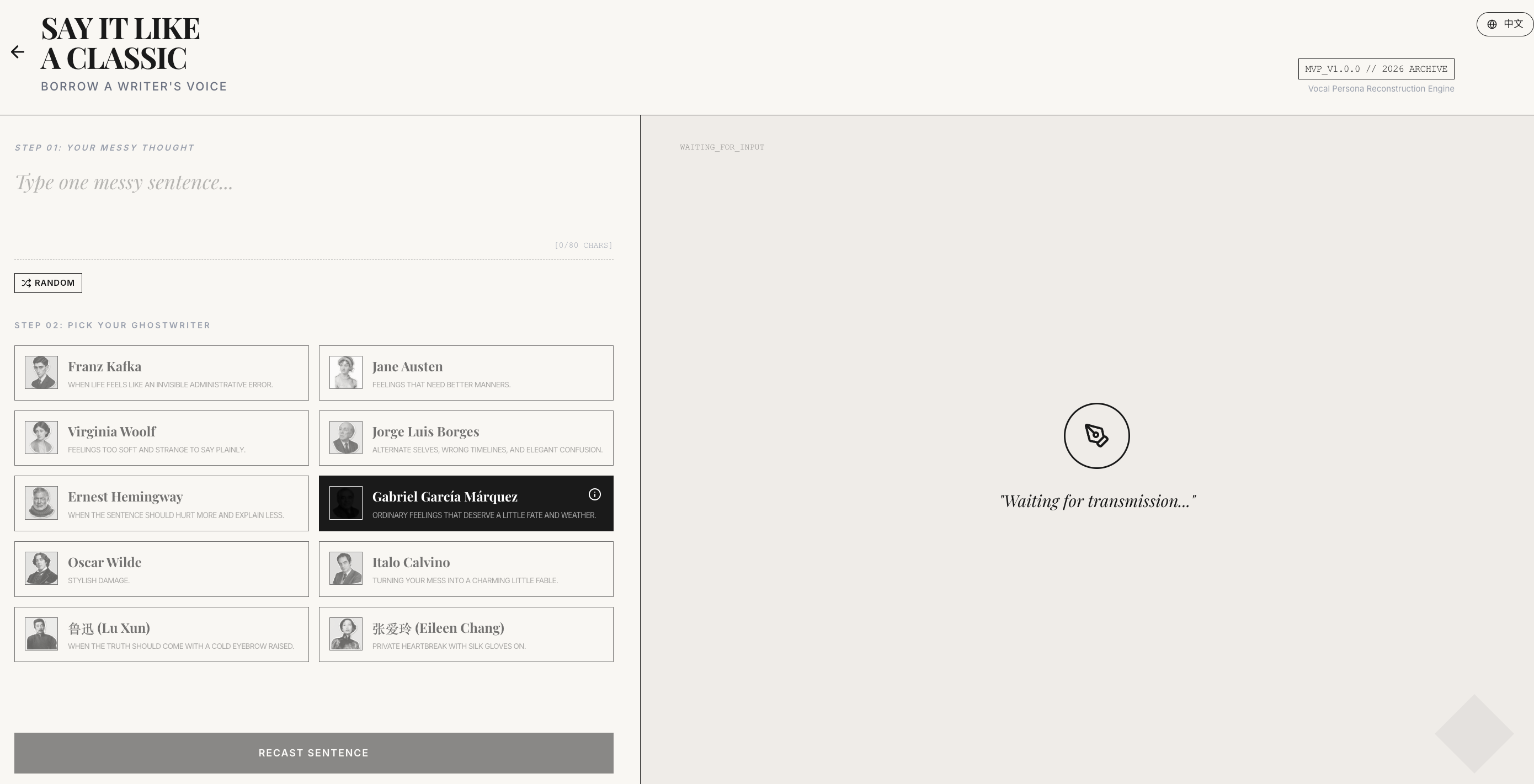 ✒️ Say It Like a Classic |
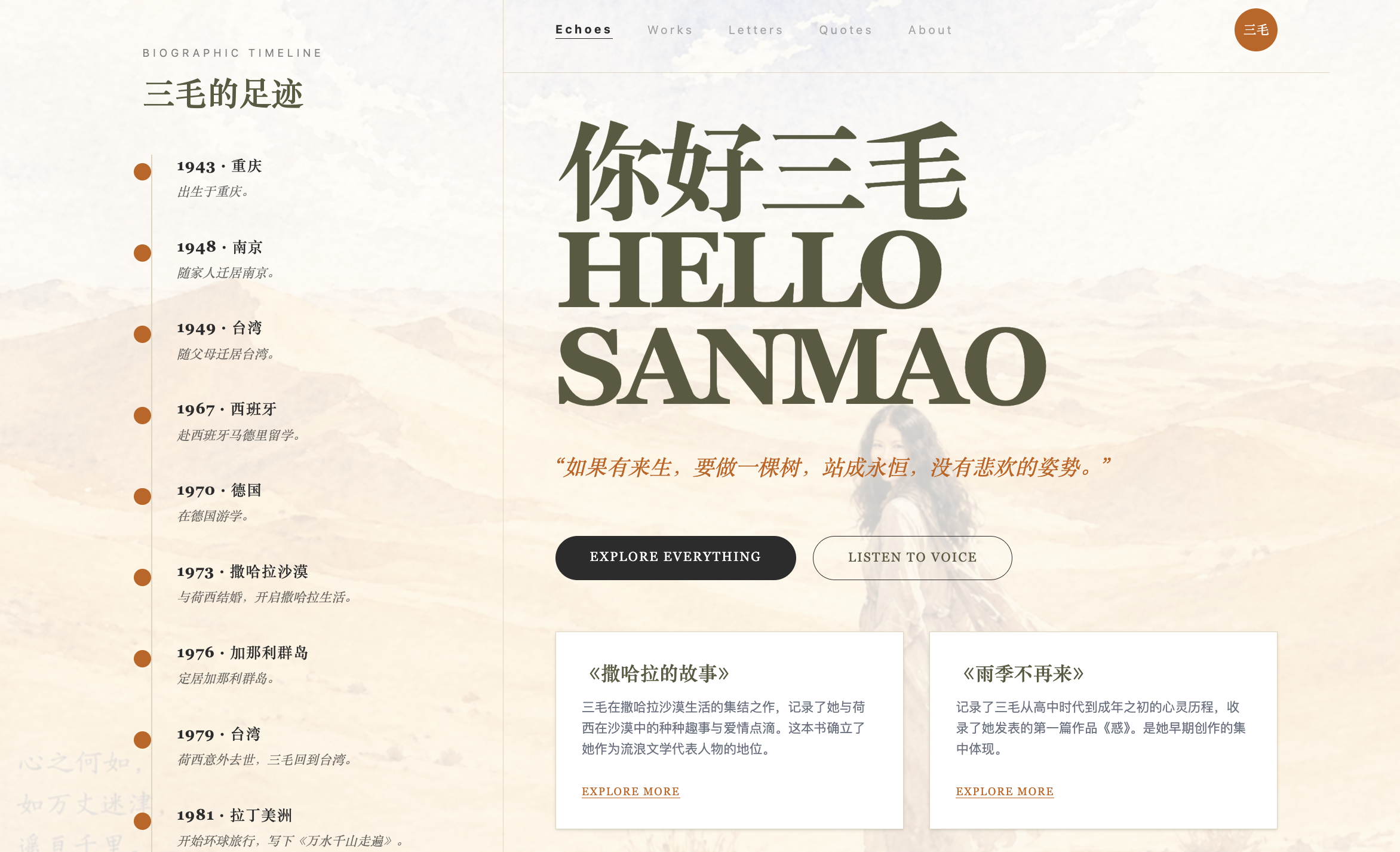 🏜️ Sanmao |
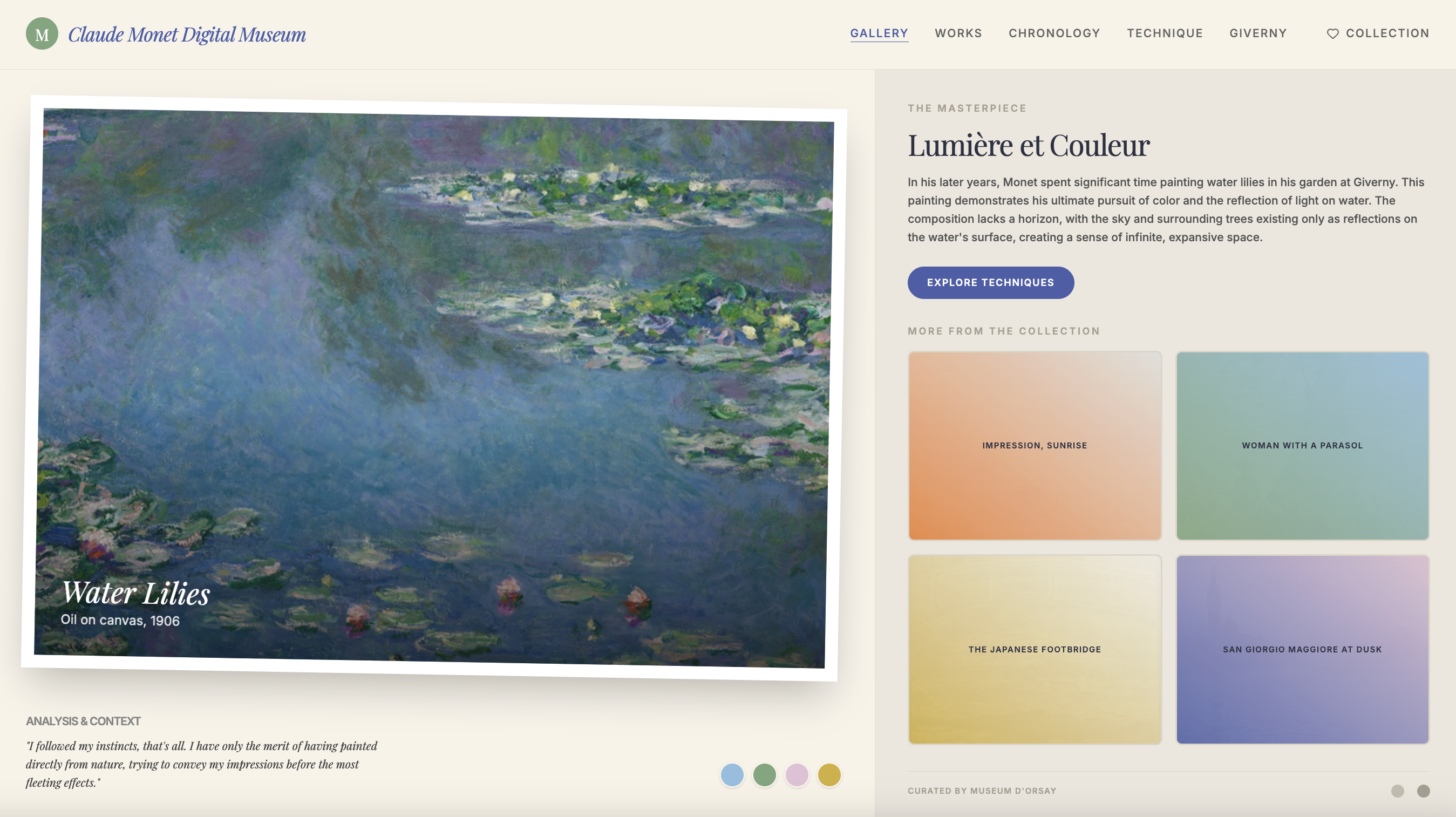 🎨 Monet |
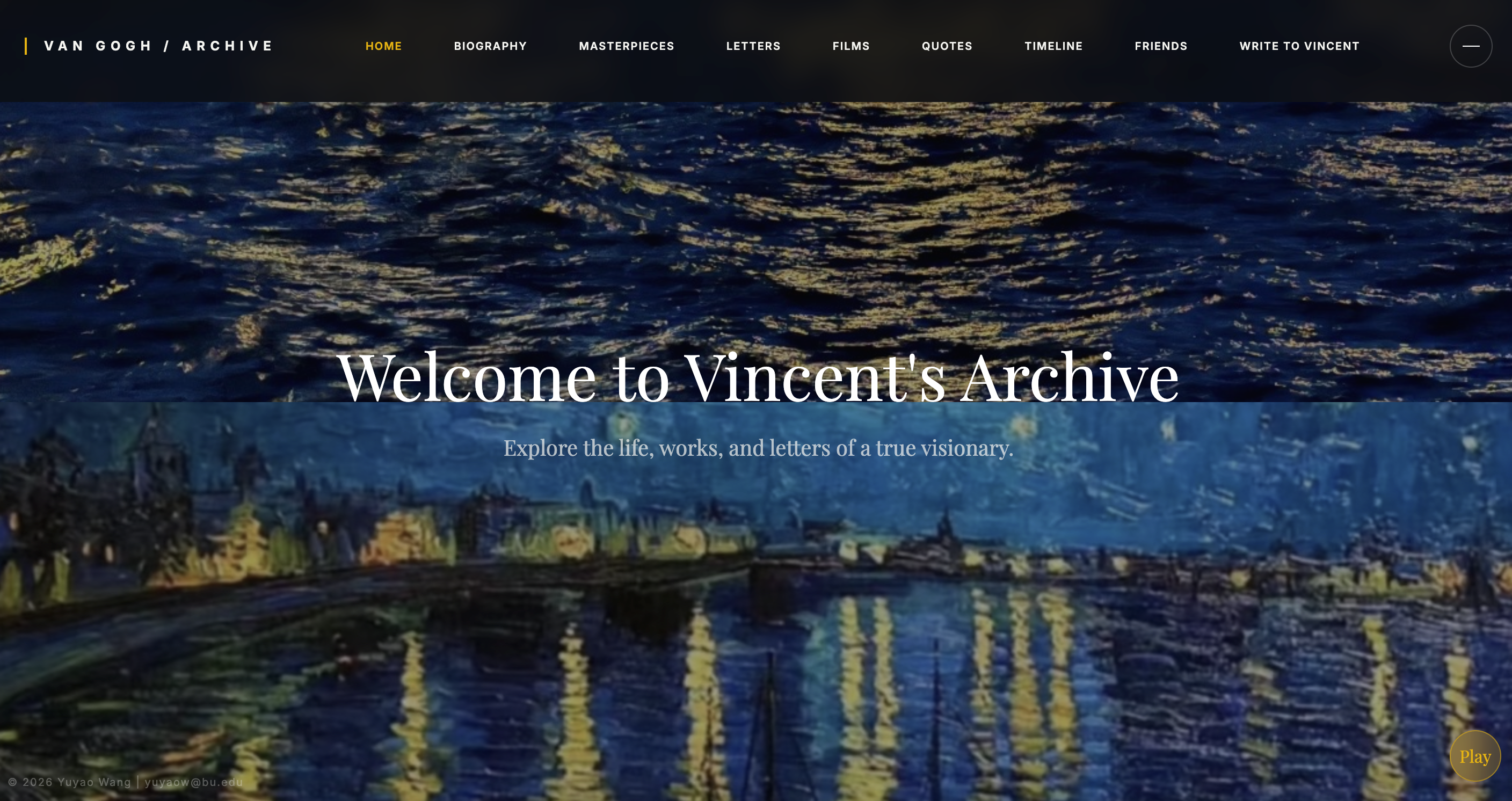 🌻 Vincent |
🎨 Interests
🎵 Mandarin R&B loyalist — Leehom Wang, David Tao, Khalil Fong 🦋, Dean Ting
🎧 I also play and make my own music — have a listen in my Music corner
🎹 Trained in piano, calligraphy, and ink painting
🏞️ National park lover · 🫧 lake admirer · 🌅 opacarophile — welcome to my Gallery